

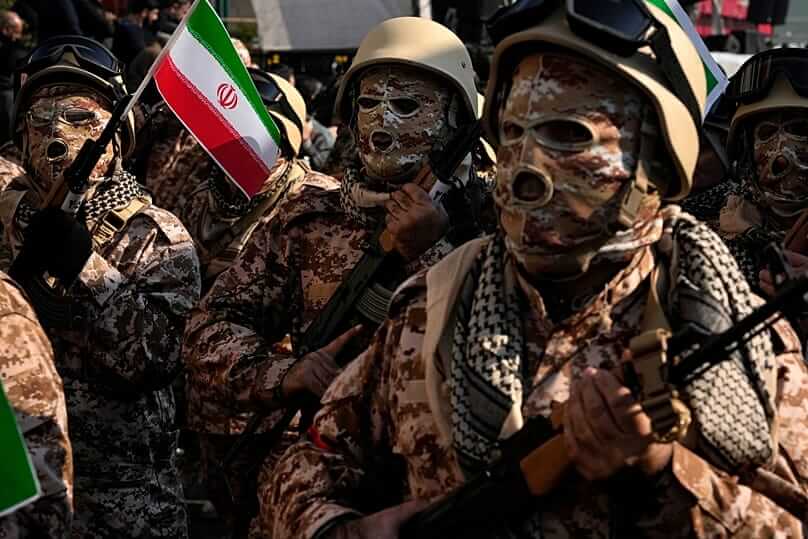
Into its third week, the effects of Operation Epic Fury are global.
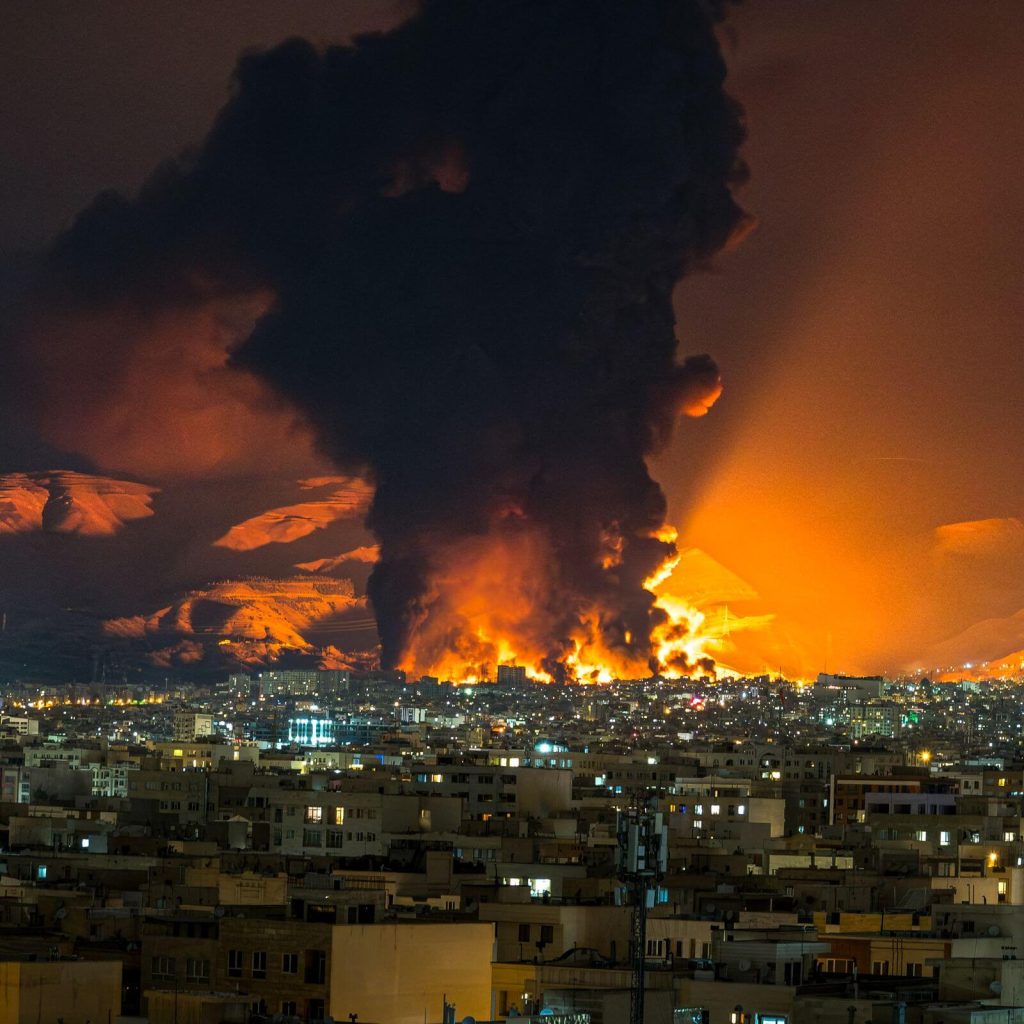
According to US Central Command, by March 12 combined US and Israeli forces had struck around 6,000 targets in Iran since operations began – working out at around 460 strikes per day.
Iran’s leadership is decapitated; its control centres in disarray, its nuclear programme in ruins.
And still, the Iranians are fighting on – they have spent twenty years preparing for this moment.
Their strategy is known as Decentralised Mosaic Defence (DMD), built around a single brutal principle: that the ‘body’ keeps fighting even if the ‘head’ is cut off – which is exactly what the Americans did when they killed Iran’s Supreme Leader Ayatollah Ali Khamenei on the first day of the war.
Under DMD, authority is deliberately scattered across dozens of semi-independent nodes, each with its own intelligence, weapons and command structure.
Units operate on standing orders; they do not wait for instructions from above.
As Iran’s foreign minister Abbas Araghchi declared on March 1: ‘Bombings in our capital have no impact on our ability to conduct war…Decentralised Mosaic Defence enables us to decide when – and how – the war will end.’

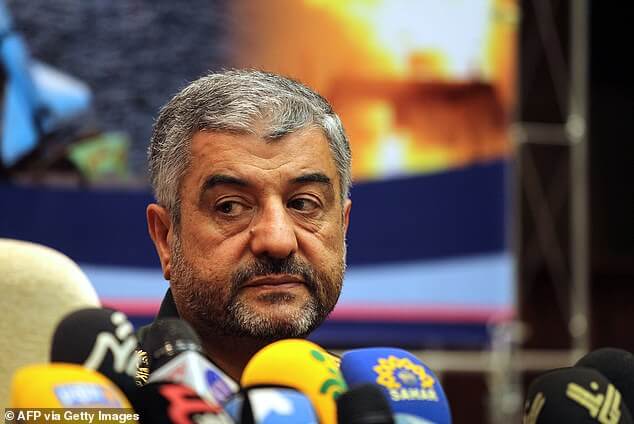
Former Revolutionary Guard (IRGC) commander-in-chief General Mohammad Jafari publicly revealed the defence plan in 2005; critically, it was born from watching the mistakes of the West – particularly the Americans – in Iraq, Afghanistan, and even as far back as the 1990s Balkan wars.
Those conflicts, along with the Iran-Iraq War of the 1980s, embedded a culture of endurance and resistance deep into the Iranian state.
As Araghchi confirmed: ‘We’ve had two decades to study defeats of the US military to our immediate east and west. We’ve incorporated lessons accordingly.’
The lesson from Iraq 2003 was inescapable: Saddam Hussein had a highly centralised military. Once the leadership was gone, the whole structure collapsed within weeks.
That’s not all they learnt from Western intervention in Iraq.
In 1981, Israeli jets destroyed Saddam Hussein’s single above-ground reactor at Osirak. Once more Iran studied and learned.

They realised that, over recent years, the US has placed increasing faith in that single, brutal idea: remove the head and the body collapses.
According to DailyMail, i worked, more or less, with Saddam Hussein. (It didn’t with Osama bin Laden, whose death did little to destroy Al Qaeda, while the assassination of ISIS leader Abu Bakr al-Baghdadi did not end the group’s terror either.)
But the Iranians knew that, eventually, the Americans would go straight for their Supreme Leader – and they had a plan to inoculate themselves when it happened.
They dispersed their nuclear infrastructure across the country, burying key sites deep underground.
The principle was identical: never give the enemy a single target whose destruction can end the fight.
In both cases, Iran looked at what Iraq had done and built the exact opposite.
And, two decades on, the plan paid off the moment Khamenei was killed.


