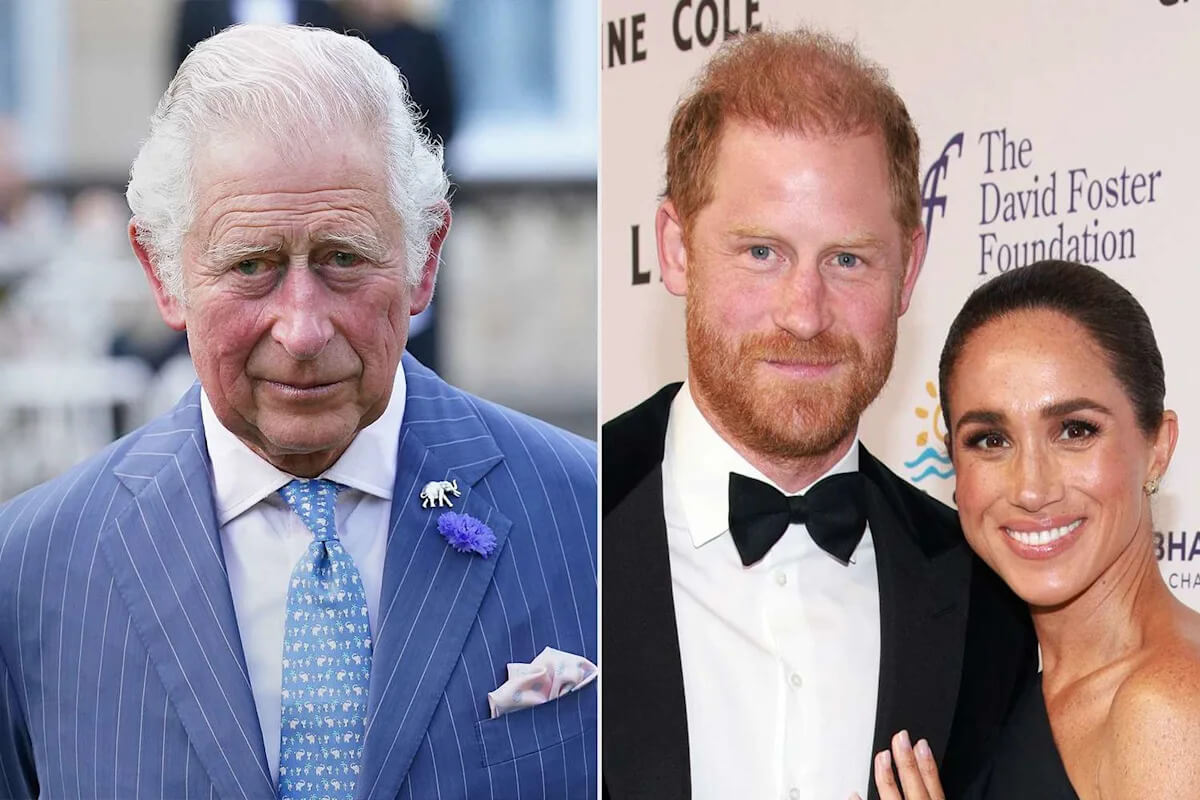
A formal letter issued on behalf of King Charles III via the Lord Chamberlain clarifies that Prince Harry and Meghan Markle remain non-working members of the royal family following their recent return to the United Kingdom.
The unprecedented letter sent to senior royal representatives, government and military officials, Charles appeared to put the Sussexes firmly in their place.
He told more than 100 ‘senior stakeholders’ across the country that his son and daughter-in-law are not working royals and should be treated as ‘private citizens,’ and do not represent the Crown.
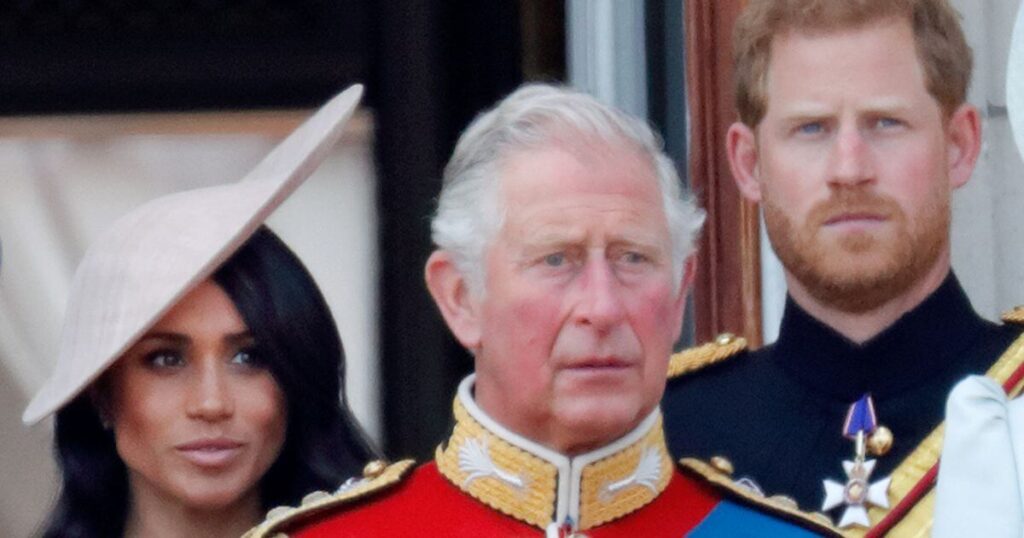
It comes after sources close to the couple repeatedly briefed select media about plans for their new life back in Britain.
They include a resumption of public engagements with the media invited to attend.
Some of the couple’s friends have even boasted that Harry has finally secured the ‘half-in, half-out’ deal he always wanted – with the freedom to mine lucrative commercial opportunities while undertaking limited official duties by the ‘back door’.
That model was firmly rejected as unworkable by his grandmother, Queen Elizabeth, at the so-called ‘Sandringham Summit’ of January 2020, which led to the Sussexes’ acrimoniously quitting, not only royal life, but also Britain while embarking on a series of very public attacks on the institution.
Now the King has moved decisively to quash speculation over their return, and publicly re-enforce the boundaries laid down by his late mother.
And he makes clear that Harry and Meghan’s public appearances should not be treated as royal engagements and no public money should be spent on them.
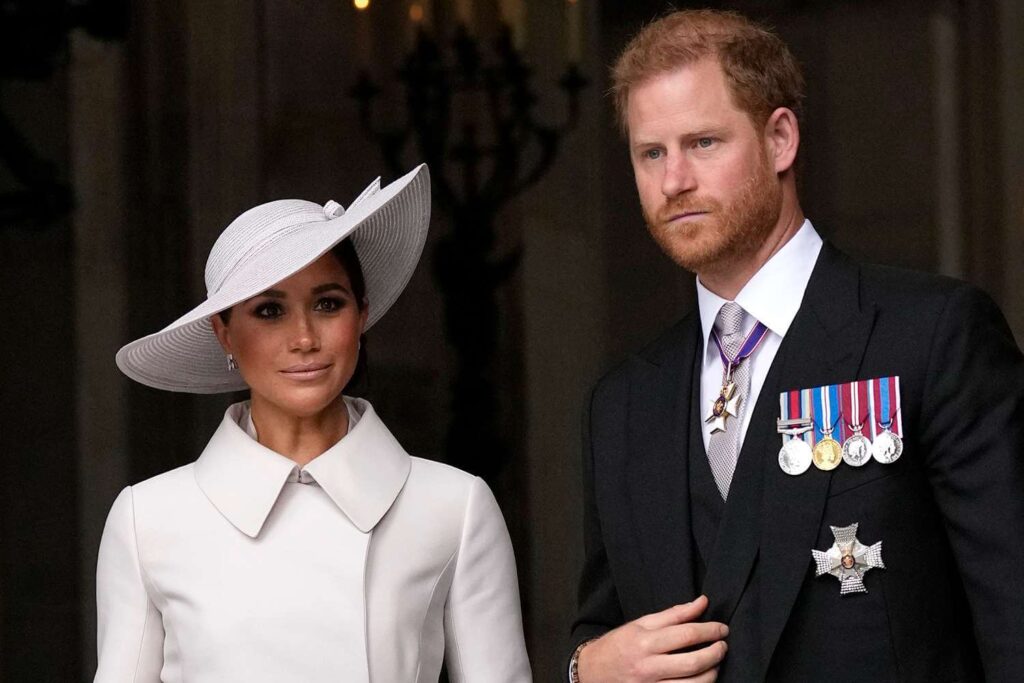
The letter released on Monday was written on His Majesty’s instruction by his Lord Chamberlain, Lord Benyon, head of the Royal Household, following ‘a number of requests for guidance’.
It states clearly that ‘there is no change to the current status of the Duke and Duchess of Sussex. Their styles as His and Her Royal Highness remain in abeyance and are not used’.
It adds: ‘The charitable work of the Duke and Duchess is a personal matter for them both and undertaken in their private capacity. In short, their position is akin to private citizens with commercial and charitable interests.’